studio / on-this-day / Oct 27
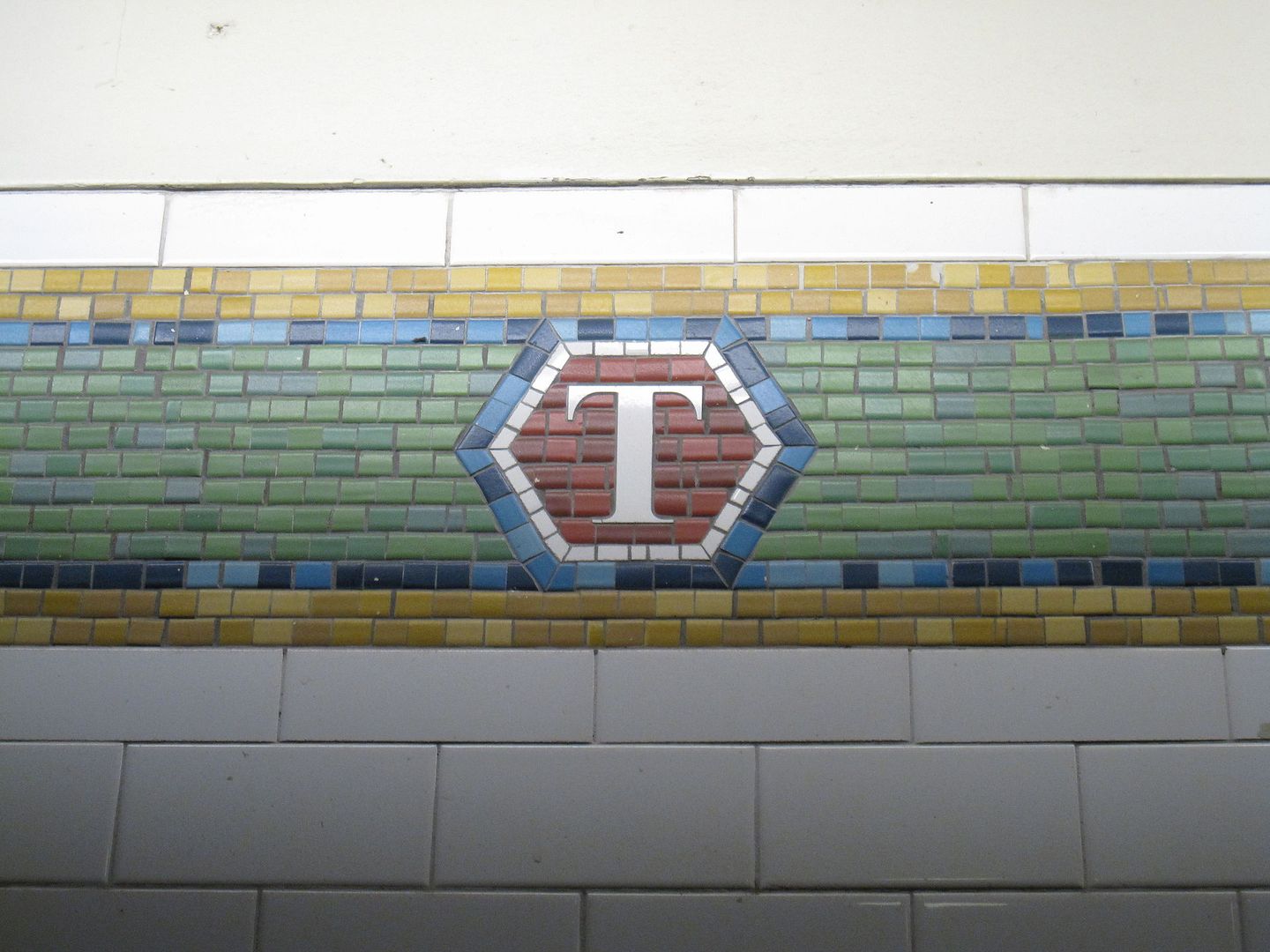
New York City Subway platform. Gryffindor, CC BY-SA 3.0, via Wikimedia Commons
The City Beneath the City
On this day in 1904 — the New York City subway opened, a whole layer of architecture built underground to move millions.
3 min read
On October 27, 1904, the New York City subway opened with a single line running from City Hall to 145th Street. Mayor George McClellan was so eager to drive the inaugural train that he refused to let the motorman take the controls for the first few stops. More than 100,000 people rode the subway on its first day. It was faster than streetcars, cleaner than elevated trains, and ran regardless of weather. Within a decade, it would carry more than a billion passengers a year.
The subway was not the first underground railway. London had opened its Metropolitan Railway in 1863, and Paris had inaugurated the Metro in 1900. But New York's system was designed for scale from the beginning. It was built to move massive numbers of people quickly through a dense urban core. The engineering challenge was immense: tunneling under a city with no comprehensive maps of existing infrastructure, dealing with underground rivers, bedrock, and unstable soil.
Most of the tunneling was done using the cut-and-cover method: digging a trench in the street, building the tunnel, and then covering it back over. This was faster and cheaper than boring through rock, but it tore up the streets for years. Traffic was rerouted. Businesses lost access. The construction was loud, dirty, and disruptive. But the result was a transportation network that could carry exponentially more people than the surface streets ever could.
The subway changed the shape of the city. Before its construction, Manhattan was densely packed below 59th Street, with little development beyond that. The subway extended the livable city northward, into the Bronx and eventually into Brooklyn and Queens. Real estate values shifted. Neighborhoods that had been remote became accessible. The city could grow vertically and horizontally because people could move between distant points quickly and cheaply.
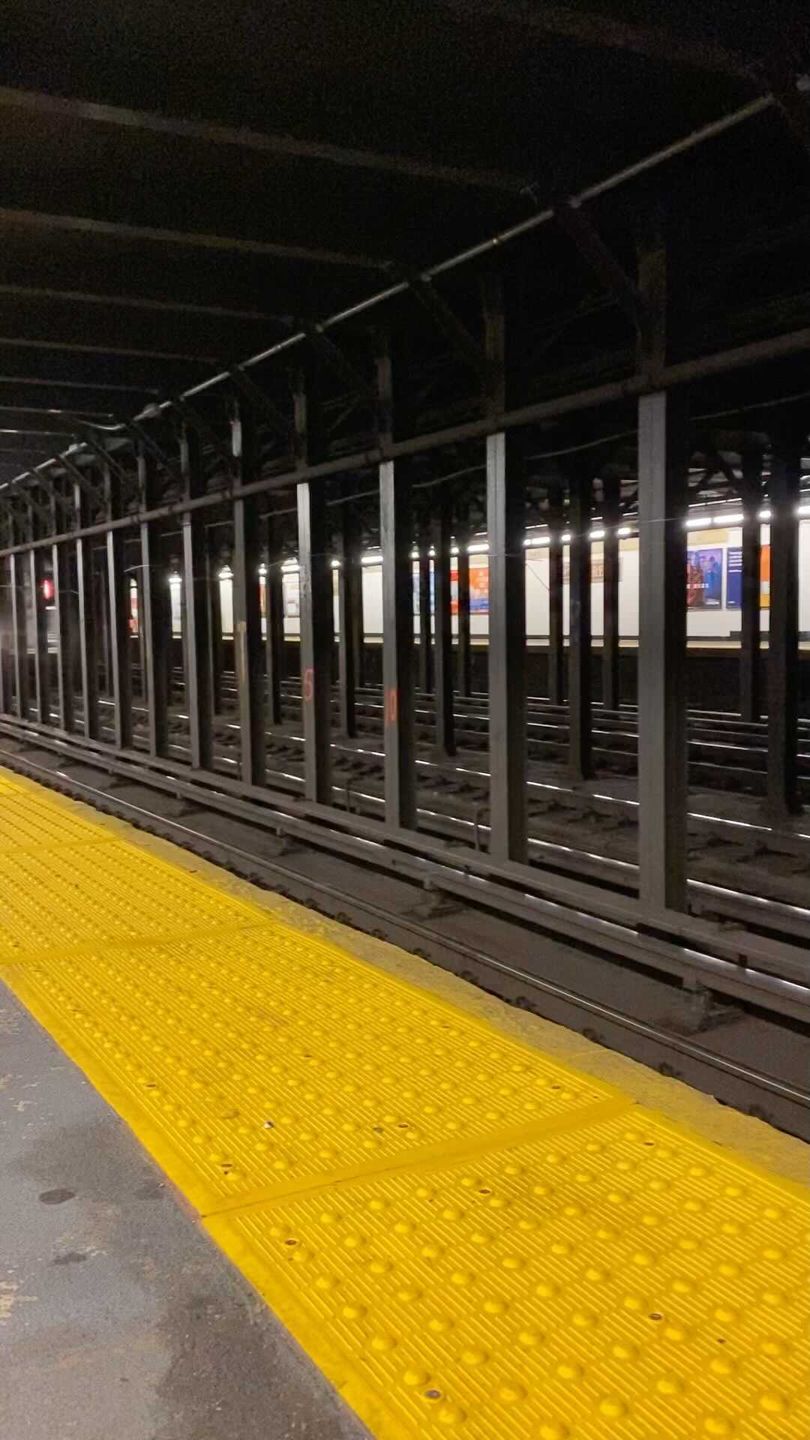
New York City Subway. Corsario CL, CC BY-SA 4.0, via Wikimedia Commons
What made the subway transformative was not just the tunnels but the system design. Stations were placed strategically to maximize coverage. Trains ran frequently enough that waiting was measured in minutes, not hours. Fares were set low enough to be affordable for working-class commuters. This was infrastructure as a public good, designed to enable movement rather than extract maximum profit. The result was a network that reshaped how millions of people lived and worked.
The design of the stations themselves reflected a commitment to civic architecture. Early stations featured tile mosaics, vaulted ceilings, and decorative details that treated underground spaces as worthy of aesthetic consideration. This was not accidental. The designers understood that people would spend significant time in these spaces and that the experience of using public transit mattered. Good design reduced friction, made navigation intuitive, and created a sense of place even in utilitarian infrastructure.
Over time, the system expanded into one of the largest and most complex transit networks in the world. It now has 472 stations and 665 miles of track. Nearly six million people ride it every weekday. It runs 24 hours a day, 365 days a year, something almost no other subway system in the world does. This continuous operation creates unique maintenance challenges but also makes the system indispensable to the city's economy.
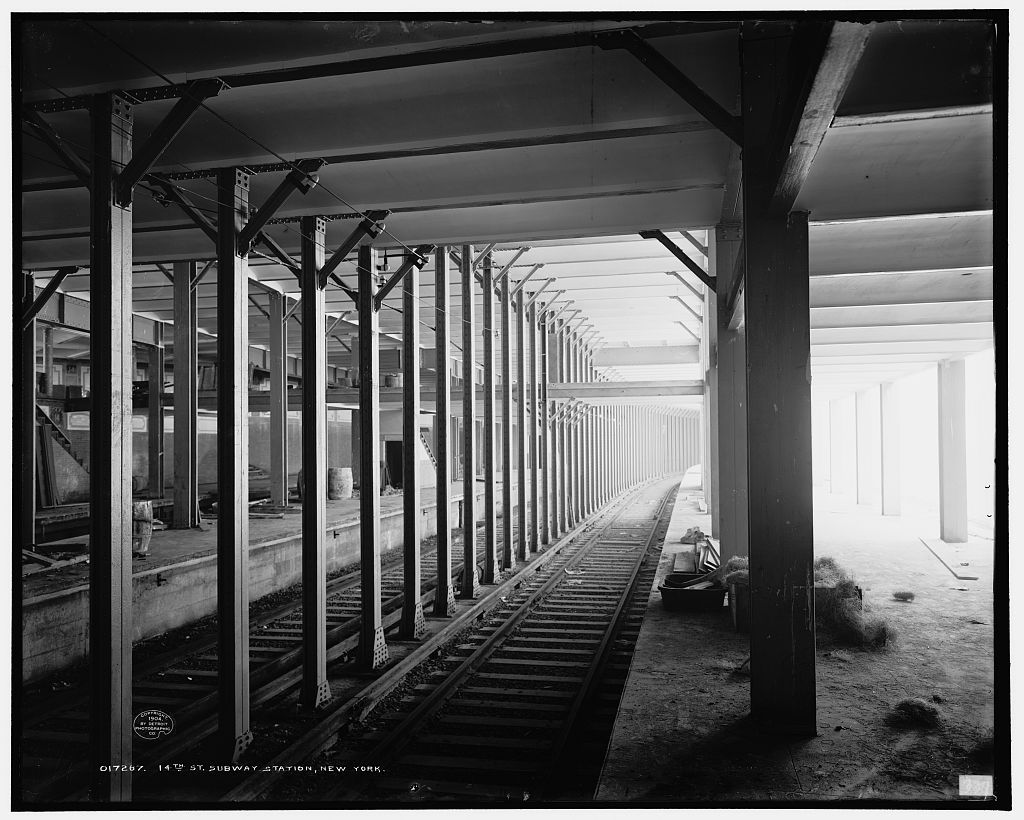
Cut-and-cover construction of the irt Subway at 14th Street in 1904. Detroit Publishing Company, Public domain, via Wikimedia Commons
The subway is often criticized for being old, overcrowded, and unreliable. But it remains the connective tissue of New York City. It makes the density of the city possible. Without it, the streets would be impassable. The economy would collapse. People take it for granted, which is perhaps the highest compliment you can pay to infrastructure: it becomes invisible because it works well enough, often enough, that life without it is unimaginable. The city beneath the city is what makes the city above it function.
studio / on-this-day / Oct 27