studio / on-this-day / Oct 15
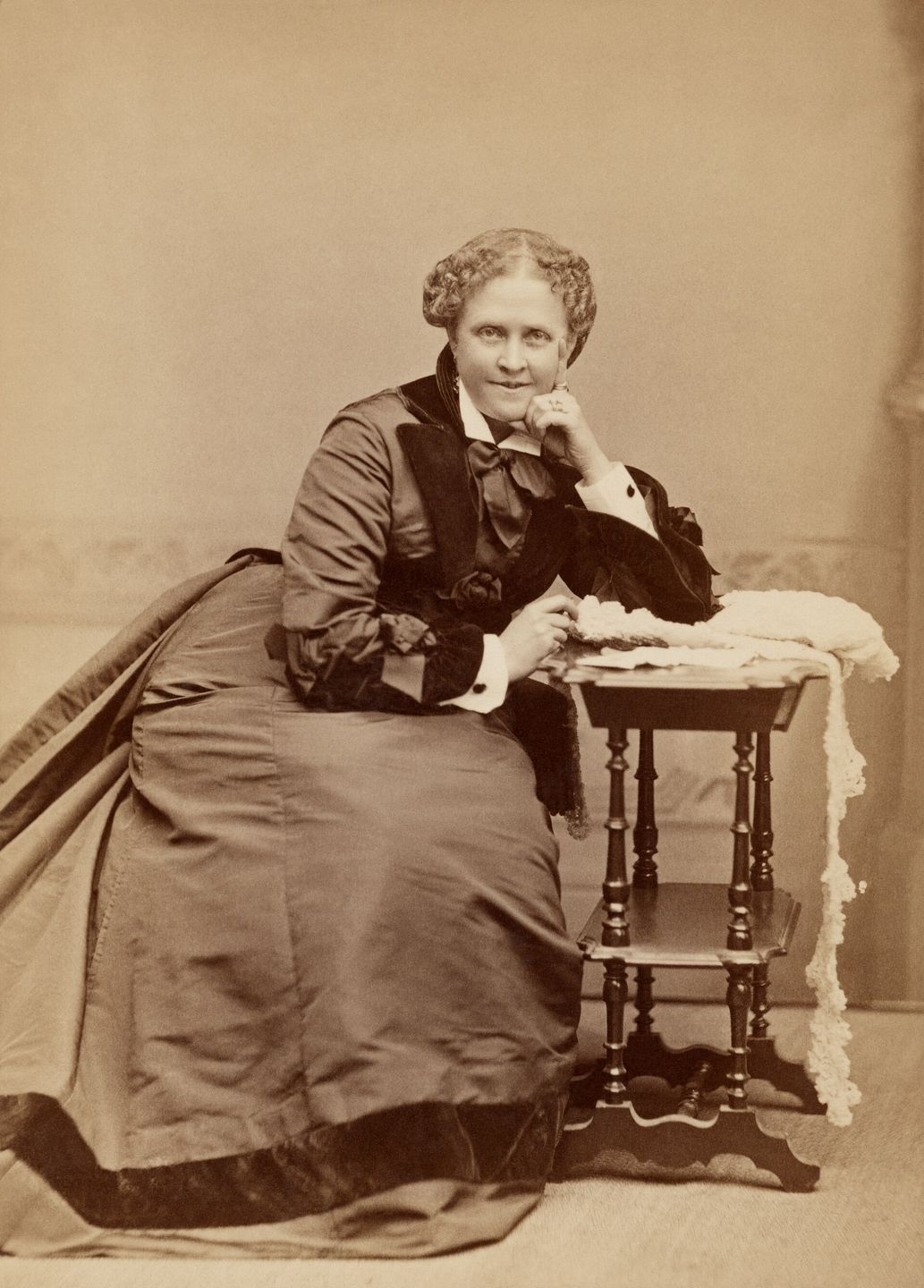
Helen Hunt Jackson, writer and advocate for Native American rights. Public domain, via Wikimedia Commons
She Made the Country Read the Receipts
On this day in 1830 — Helen Hunt Jackson was born. A popular poet, she turned late in life into a relentless documenter of how the United States had broken its treaties with Native nations.
4 min read
Helen Hunt Jackson was born on October 15, 1830, in Amherst, Massachusetts, and spent the first part of her career as a successful and conventional poet and travel writer, admired by her childhood friend Emily Dickinson. Then, in her late forties, she heard a lecture by a Ponca chief describing how his people had been forced off their land, and it redirected the rest of her life.
She became, in effect, an investigator. In 1881 she published A Century of Dishonor, a book that did something unglamorous and devastating: it documented, case by case, treaty by broken treaty, the record of how the United States government had dealt with Native nations. It was not a poem or a plea. It was closer to an audit, a careful, sourced accounting of promises made and broken, assembled so that no one could dismiss it as mere sentiment.
She understood that the facts alone were her weapon, and she made them unavoidable. She sent a copy of A Century of Dishonor, at her own expense, to every member of Congress, with a warning about national guilt printed on the cover. She was not trying to move hearts with lyricism; she was trying to put the documented record directly in front of the people responsible, and make ignoring it a choice they had to actively make.
When the careful record did not move them enough, she changed tools. Believing, correctly, that a story would reach where a report could not, she wrote Ramona, a novel about a part-Native woman in Southern California, hoping to do for Native Americans what Uncle Tom's Cabin had done for the enslaved. The novel was a huge popular success, though readers tended to embrace its romance and setting more than its politics, a lesson in how a message can be received very differently from how it was meant.
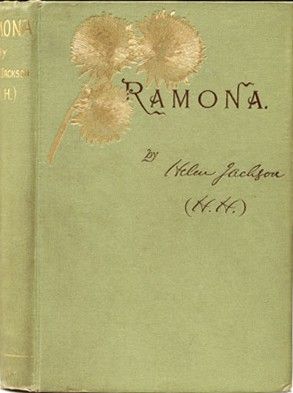
An illustration from Jackson's 1884 novel "Ramona." Public domain, via Wikimedia Commons
There is a strategist's intelligence in using both tools. The audit, A Century of Dishonor, was aimed at the people in power, built to be irrefutable. The novel, Ramona, was aimed at the wide public, built to be felt. She matched the medium to the audience she was trying to reach, and when one instrument fell short, she reached for the other rather than simply repeating herself.
Her results were mixed, as such results usually are. Ramona was loved for the wrong reasons; A Century of Dishonor did not end the injustices it recorded. But she forced the documented truth into the national conversation and kept it there, and reforms she argued for were debated in part because she had made the record impossible to pretend away.
She died in 1885, still writing about the cause. On October 15, 1830, a woman was born who would give up a comfortable literary reputation to become the meticulous accountant of her country's broken promises, on the theory that the first step toward fixing an injustice is refusing to let anyone claim they did not know.
studio / on-this-day / Oct 15