studio / on-this-day / Nov 25
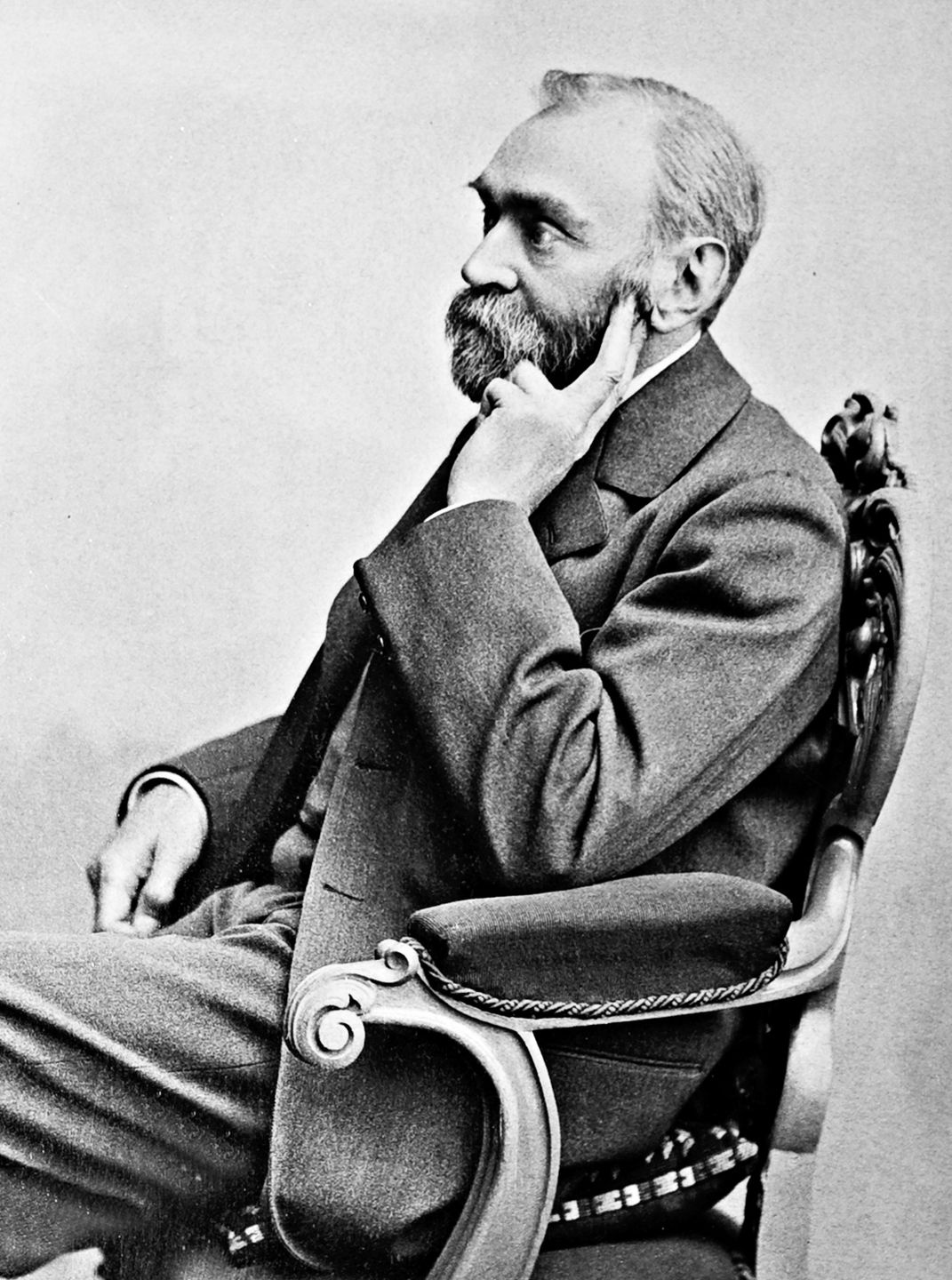
Alfred Nobel, circa 1890s. Gösta Florman (1831–1900) / The Royal Library, Public domain, via Wikimedia Commons
Controlled Explosion
On this day in 1867 — Alfred Nobel patented dynamite, and later used the fortune it earned to endow a prize for peace.
2 min read
Alfred Nobel patented dynamite on November 25, 1867, solving a problem that had killed his younger brother five years earlier. Nitroglycerin was powerful but unstable, prone to detonate from heat, shock, or vibration. It killed factory workers, destroyed ships, exploded in transit. Nobel discovered that mixing nitroglycerin with kieselguhr, a porous sedimentary rock, created a paste that could be shaped, transported, and detonated on command. He called it dynamite, from the Greek word for power. It was safer than pure nitroglycerin, more reliable than gunpowder, and ten times as destructive.
The applications were immediate. Mining operations could blast through rock more efficiently. Railroad construction accelerated. Tunnels that would have taken years were finished in months. The Panama Canal, the Corinth Canal, the Gotthard Tunnel, all were built with dynamite. Nobel made a fortune manufacturing and selling explosives, building factories across Europe and the Americas. By the 1890s, he held over 350 patents and controlled a global network of production facilities. He became one of the wealthiest men in the world by making destruction easier to deploy.
In 1888, a French newspaper mistakenly published Nobel's obituary instead of his brother Ludvig's. The headline called him "the merchant of death," describing a man who became rich by finding ways to kill people faster than ever before. Nobel was reportedly shaken by how he would be remembered. When he died in 1896, his will designated the majority of his fortune to establish prizes for achievements in physics, chemistry, medicine, literature, and peace. The contradiction was embedded in the structure: prizes for human progress, funded by profits from industrial explosives.
The Nobel Peace Prize, awarded annually since 1901, has honored diplomats, activists, and leaders working to prevent conflict, reduce violence, and promote human rights. It carries the name of a man who invented a tool used in every major war since its creation. Dynamite shaped battlefields. It collapsed fortifications. It killed soldiers and civilians at scales previously impossible. Nobel's invention was dual-use from the start, capable of building infrastructure or destroying it, depending on intent. He designed a tool. Others designed the systems that deployed it.
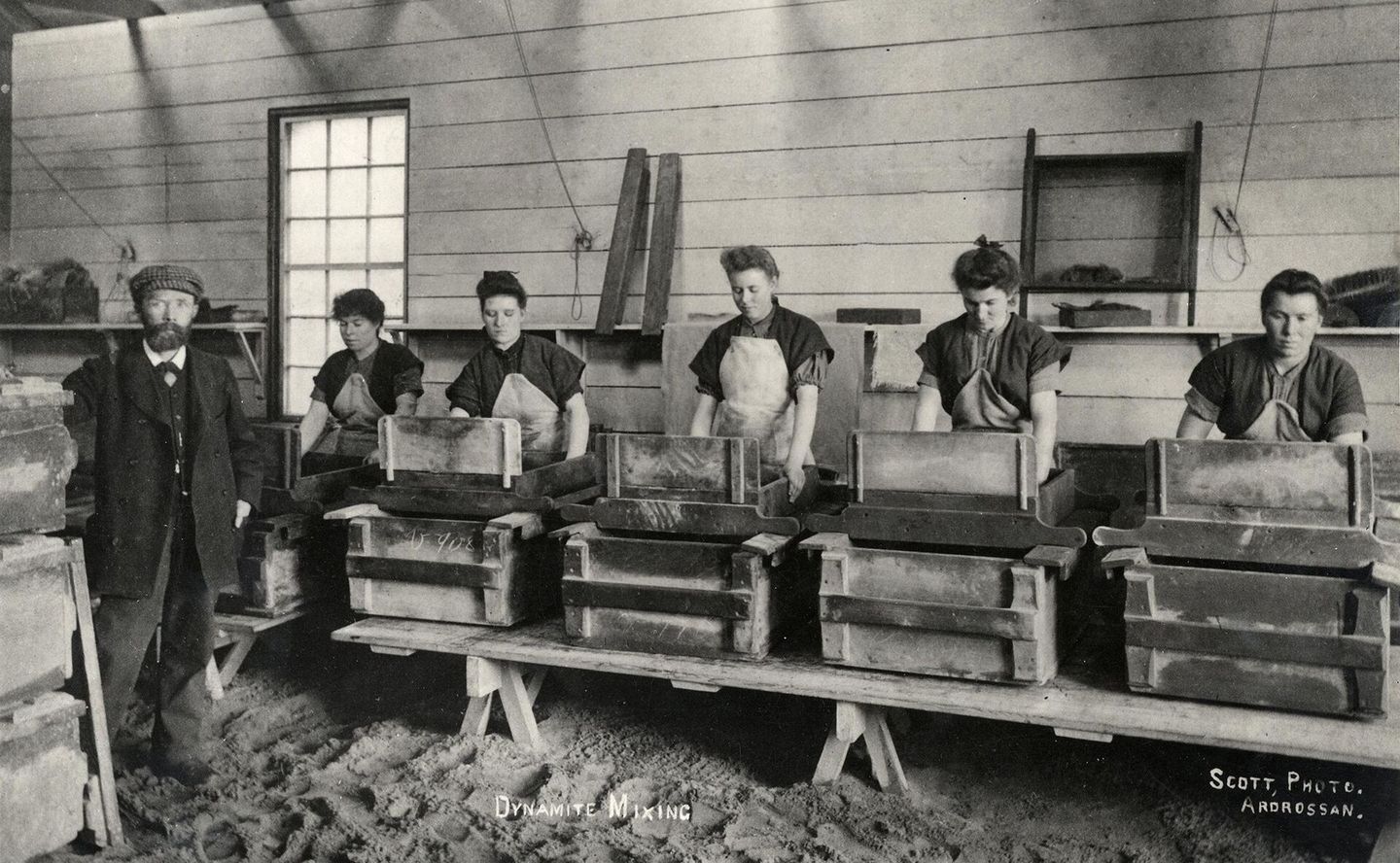
Women mixing dynamite by hand at Nobel's Ardeer factory in Scotland, 1897. Public domain, via Wikimedia Commons
What Nobel created was not just an explosive but a design pattern. He stabilized volatility, packaged power, made destruction modular and repeatable. The same principle applies to code, to finance, to information. Powerful tools are rarely neutral. They amplify intent. Dynamite built cities and leveled them. The prizes that bear Nobel's name honor work that tries to constrain the darker uses of what he made possible. It's an attempt at balance, legacy management through philanthropic architecture. Whether it works depends on whether you measure impact by what gets built or what gets destroyed.
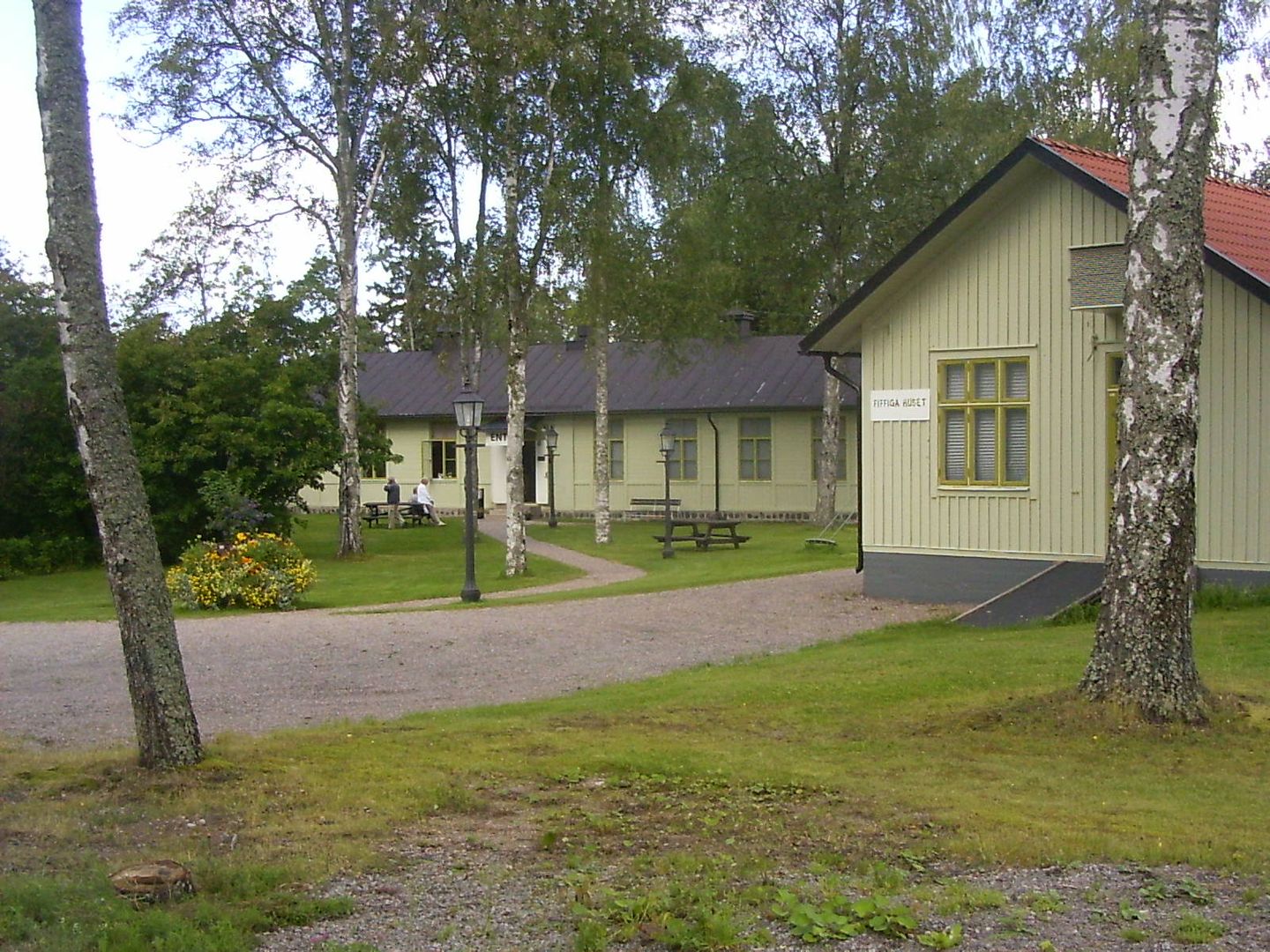
Alfred Nobel's laboratory at Björkborn manor, Karlskoga, Sweden, where he conducted his later experiments. Pimvantend, CC BY 3.0, via Wikimedia Commons
studio / on-this-day / Nov 25