studio / on-this-day / Oct 30
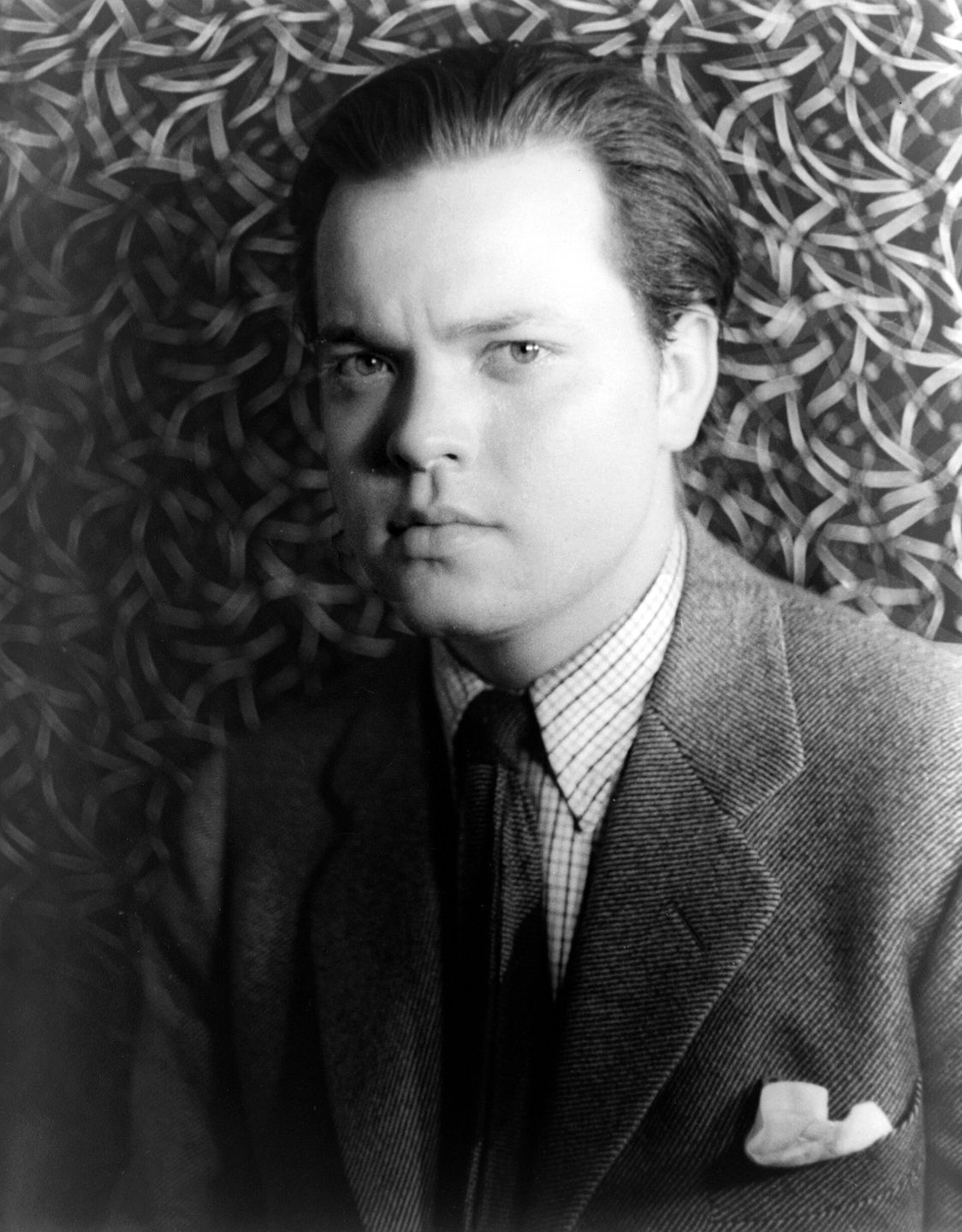
Orson Welles, 1937. Carl Van Vechten, Public domain, via Wikimedia Commons
The Panic Broadcast
On this day in 1938 — Orson Welles broadcast The War of the Worlds, mass media's first accidental experiment in going viral.
3 min read
On October 30, 1938, at 8:00 p.m., CBS Radio aired an adaptation of H.G. Wells's "War of the Worlds" as part of "The Mercury Theatre on the Air." The broadcast was presented as a series of simulated news bulletins interrupting regular programming. A reporter described strange explosions on Mars. An astronomer was interviewed. Then came reports of a meteorite landing in New Jersey. The meteorite was not a meteorite. It was a Martian spacecraft. Aliens emerged. Heat rays vaporized people. The invasion had begun. It was fiction, but it sounded like news.
The broadcast was 60 minutes long. It included disclaimers at the beginning, middle, and end, clearly identifying it as a dramatization. But many listeners tuned in late, after the opening announcement. They heard what sounded like breaking news: panicked reporters, military officials, scientists struggling to explain the impossible. The format mimicked the rhythm of real emergency broadcasts. The pacing, the interruptions, the escalating urgency felt authentic. People who had grown accustomed to trusting radio as a source of factual information heard fiction and interpreted it as fact.
Reports of mass panic followed. Newspapers claimed that thousands fled their homes, that police stations were flooded with calls, that people believed the world was ending. The story spread faster than the broadcast itself. The panic became the story. But later research suggests the panic was exaggerated. Most listeners recognized the broadcast as fiction. The newspapers, which were competing with radio for advertising revenue, had an incentive to portray radio as dangerous and irresponsible. The myth of widespread hysteria was useful, and it stuck.
What the broadcast did prove was that the medium mattered as much as the message. Welles understood that radio had a grammar, a set of conventions that listeners had learned to decode. News used certain tones, formats, and structures. By mimicking those conventions, he blurred the line between fiction and reality. This was not a bug. It was the design. He exploited the trust that listeners placed in the medium to create an immersive experience that felt real.
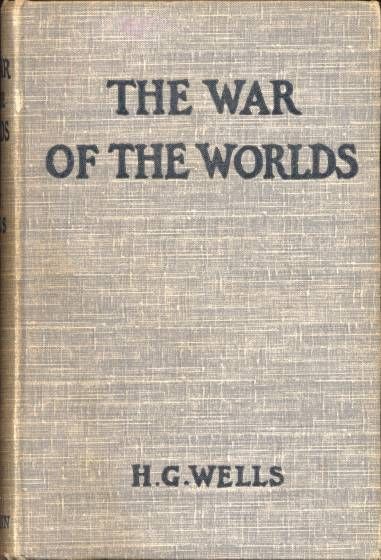
First edition cover of h.g. Wells' the War of the Worlds (1898), the source novel for orson Welles' 1938 radio adaptation. H. G. Wells, Public domain, via Wikimedia Commons
The broadcast also demonstrated the power of distributed media. Unlike a play in a theater or a film in a cinema, radio reached people in their homes, cars, and workplaces simultaneously. The experience was private but shared. Listeners could not verify what they were hearing by looking around the room. They were alone with the broadcast, which made it more psychologically powerful. The lack of visual information forced them to fill in the gaps with their imagination, and imagination is often more terrifying than reality.
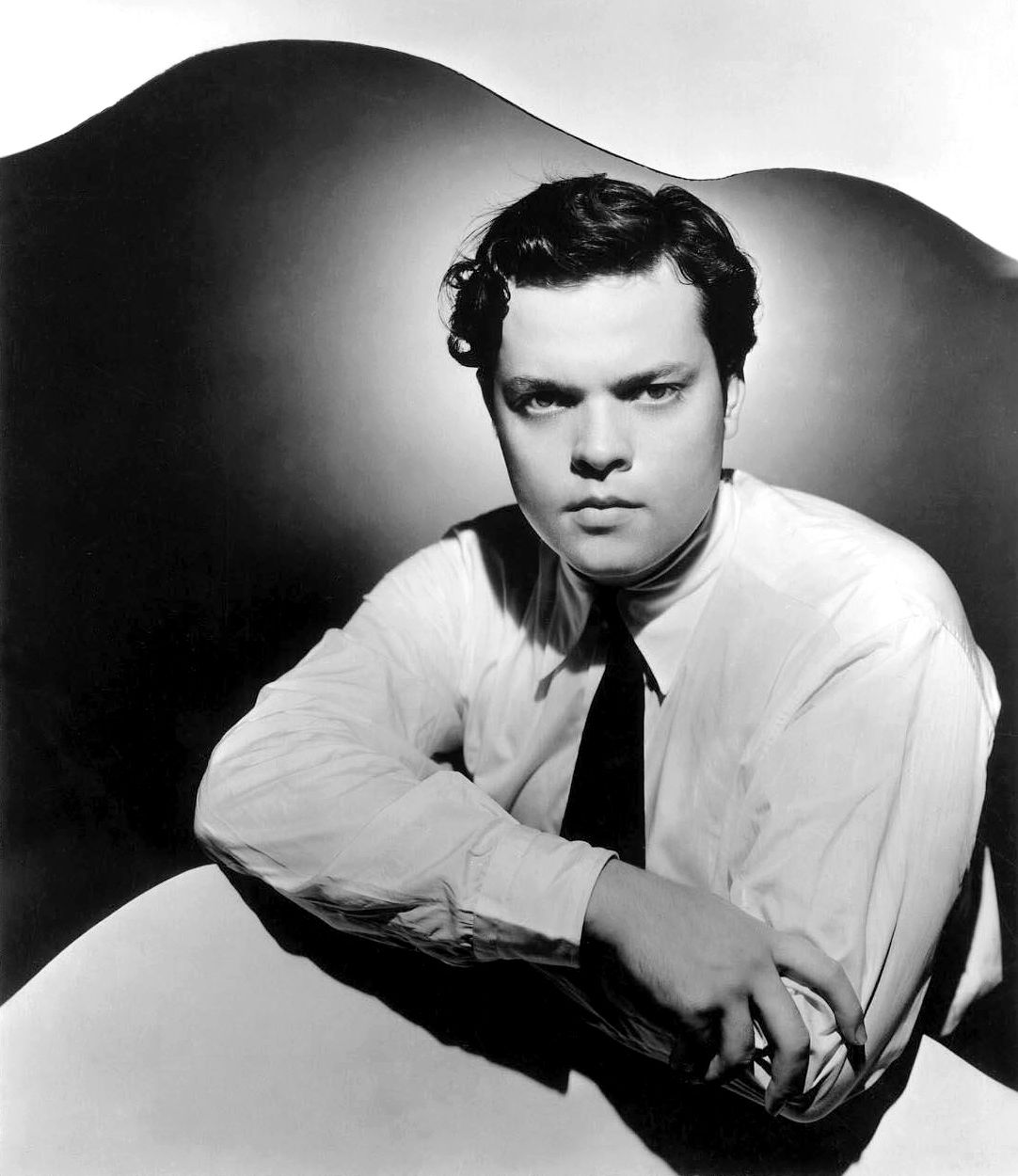
Orson Welles was 23 years old at the time. He became famous overnight, though not always in the way he intended. The broadcast led to investigations, apologies, and stricter regulations on how radio could present fictional content. But it also established Welles as a master of the medium. Two years later, he would direct "Citizen Kane," a film that applied similar principles: blurring the line between newsreel and narrative, using the conventions of journalism to tell a story.
A newspaper front page amplifying the 1938 broadcast as a nationwide radio scare. The Evening Journal, Washington, Iowa (no photo credit given), Public domain, via Wikimedia Commons
The "War of the Worlds" broadcast is often cited as the first example of viral media, a designed experience that spread through networks faster than people could process or verify it. The panic, whether real or exaggerated, became a story in its own right. The broadcast was not just heard. It was talked about, reported on, debated. The secondary discourse was as important as the original event. This is the pattern of all viral media: the thing becomes interesting not because of what it is, but because of how people react to it.
Today, we live in an environment where the line between fact and fiction is constantly tested. Deepfakes, satire sites, and misleading headlines exploit the same principle Welles used: people trust the format more than they verify the content. The broadcast from 1938 was an experiment in media design. It showed that reality is not just what happens. It is what people believe is happening, and that belief can be engineered.
studio / on-this-day / Oct 30