studio / on-this-day / Jan 30
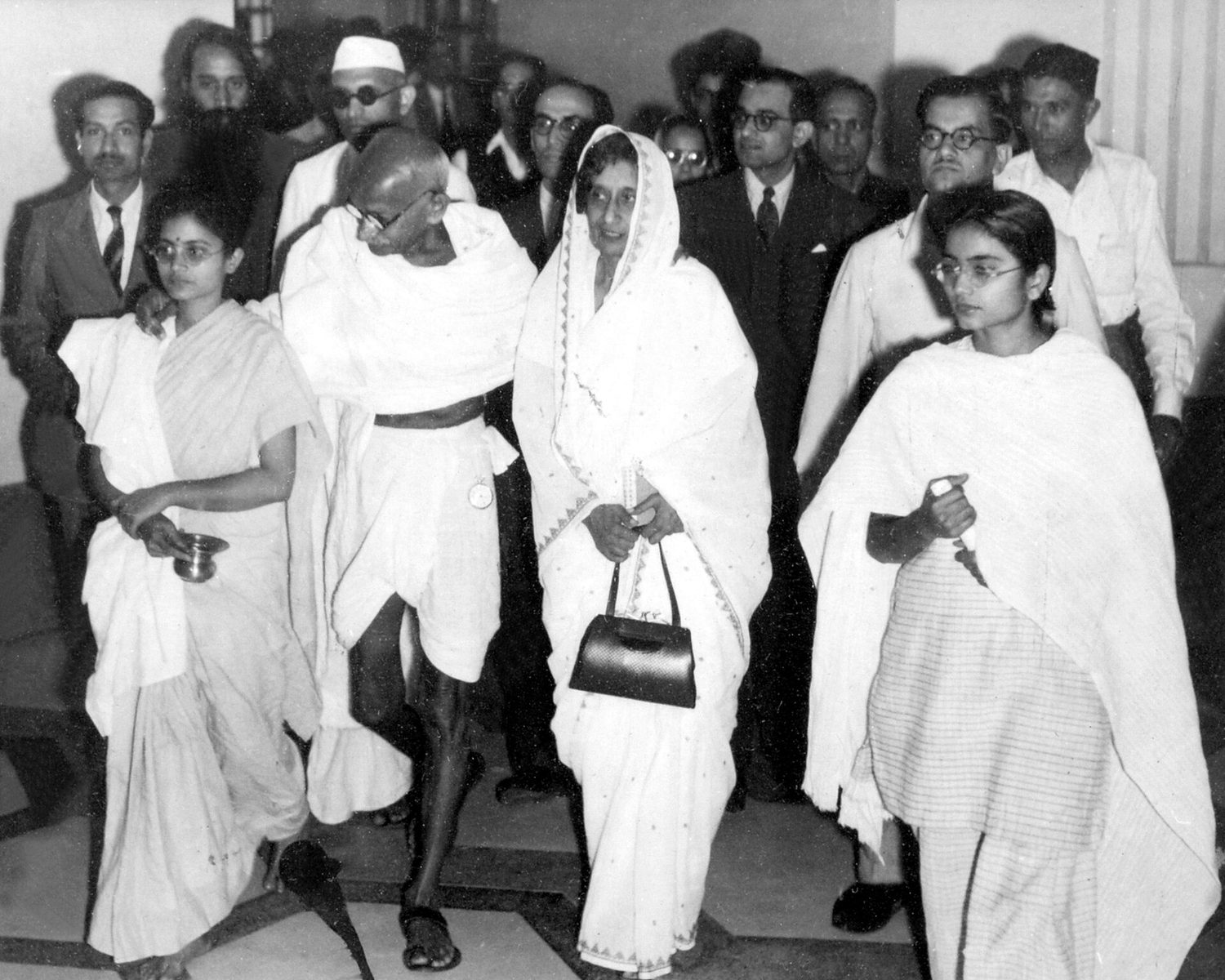
Mahatma Gandhi in his later years. Public domain, via Wikimedia Commons
Nonviolence as Design
On this day in 1948 — Mahatma Gandhi was assassinated, having shown a century that patient nonviolence could move an empire.
3 min read
On January 30, 1948, Mohandas Karamchand Gandhi walked to a prayer meeting at Birla House in New Delhi. A man named Nathuram Godse approached, bowed, pulled a pistol, and fired three shots at close range. Gandhi died within minutes. He was 78. India had been independent for less than six months. The man who led the nonviolent movement that ended British colonial rule was killed by someone who believed he'd been too accommodating, too willing to compromise. The method that freed a nation couldn't protect the man who designed it.
Gandhi's strategy of nonviolent resistance, which he called satyagraha, was a deliberate system. It wasn't pacifism or passive acceptance. It was active, organized disobedience designed to expose injustice by refusing to cooperate with it. The method had rules. No violence, even in self-defense. No hatred toward opponents. Willingness to accept punishment, including imprisonment and physical harm. The goal wasn't to defeat the British through force but to make their rule morally untenable by demonstrating that it required violence to sustain itself.
The design was elegant. Colonial power depended on cooperation. Indians staffed the bureaucracy, paid taxes, followed laws, worked in British institutions. If enough people simply stopped participating, the system couldn't function. Gandhi organized mass boycotts, strikes, and acts of civil disobedience. The Salt March of 1930, where he walked 240 miles to the sea to make salt in violation of British law, drew global attention. Thousands joined him. Thousands more were arrested. The British looked like tyrants punishing people for making salt. The optics were catastrophic for the empire.
Nonviolence worked because it shifted the terms of engagement. The British had superior military force. They could crush armed rebellion. But they couldn't sustain a moral argument for ruling people who refused to fight back and accepted suffering without retaliation. Gandhi understood that power isn't just physical. It's psychological, symbolic, narrative. By refusing violence, he forced confrontations into a framework where moral legitimacy mattered more than military strength.
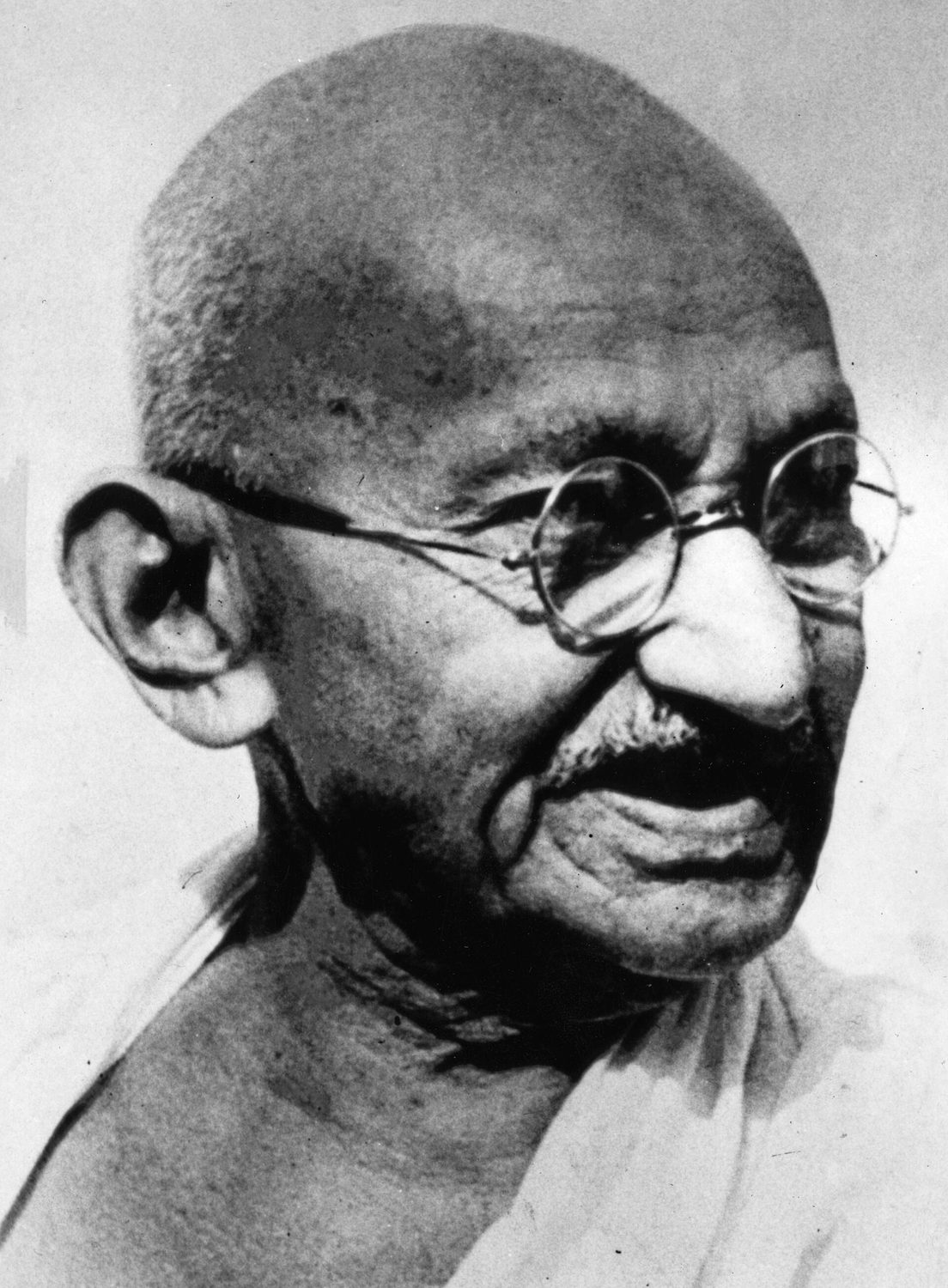
Gandhi in his final years. Public domain, via Wikimedia Commons
The strategy required discipline. Nonviolence breaks down if participants retaliate. A single act of violence gives authorities justification for crackdown. Gandhi trained followers in restraint, tested their commitment, and halted campaigns when violence occurred. This wasn't idealism. It was tactical precision. The method only worked if it remained consistent. Any deviation undermined the entire framework.
Gandhi's assassination revealed the limits of the method. Nonviolence can defeat external oppression, but it can't resolve internal conflicts. After independence, India fractured along religious lines. Partition created Pakistan and triggered mass violence. Millions were displaced. Hundreds of thousands died in communal riots. Gandhi opposed partition, fasted to stop the violence, and was killed by a Hindu nationalist who saw his pluralism as betrayal. The system he designed worked against colonial rule but couldn't prevent sectarian collapse.
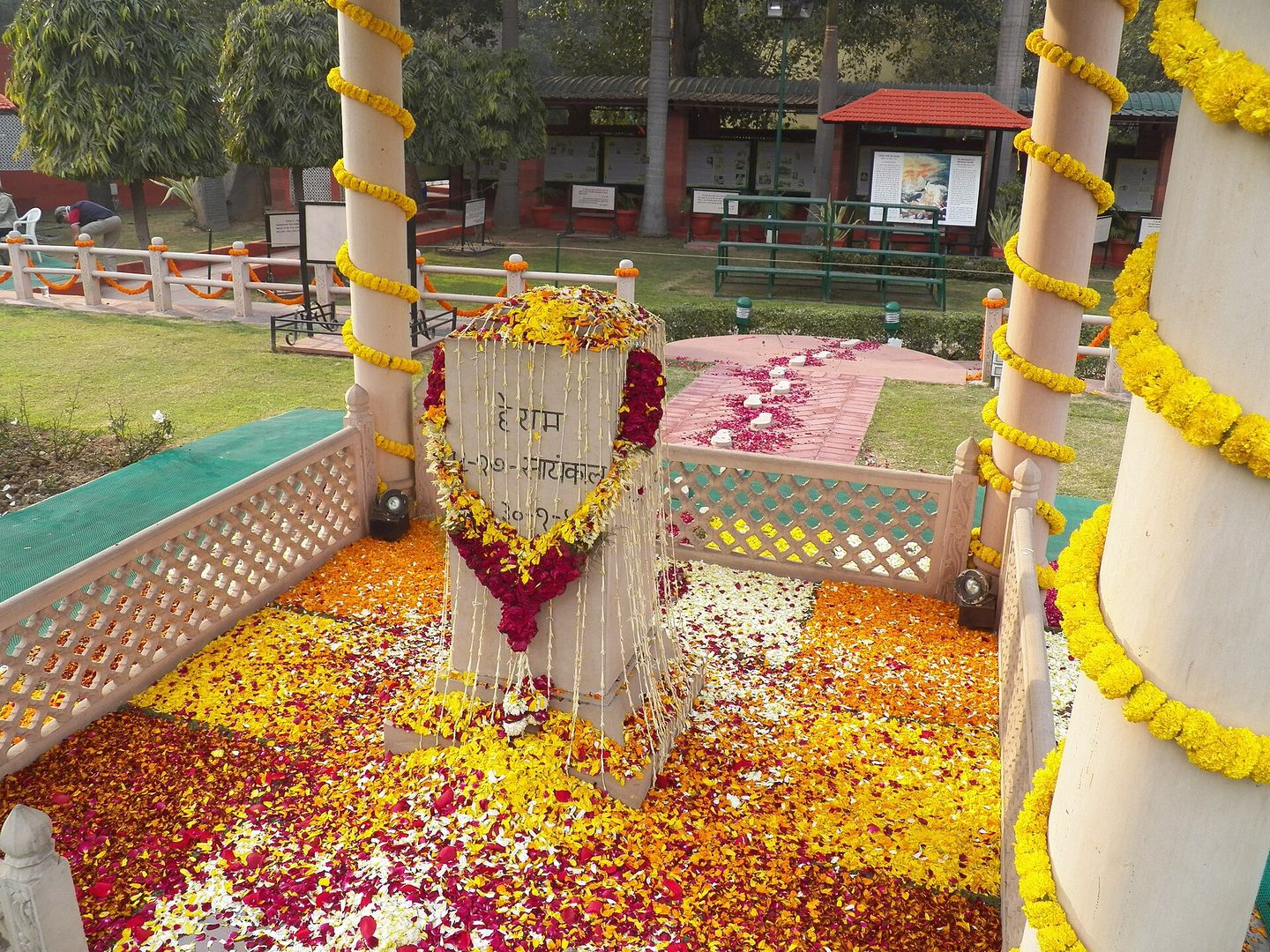
The marble memorial at Birla House (now Gandhi smriti) in New Delhi marking the spot where Gandhi was assassinated on January 30, 1948. Fowler&fowler, CC BY-SA 3.0, via Wikimedia Commons
His influence outlasted him. Martin Luther King Jr. studied Gandhi's methods and applied them to the American civil rights movement. Nelson Mandela adapted satyagraha to fight apartheid. Every nonviolent resistance movement since owes a debt to Gandhi's framework. The method works because it's replicable, scalable, and doesn't require charismatic leaders or military resources. It requires coordination, discipline, and moral clarity. Those are design problems, not personality problems. Systems outlive individuals. The question is whether they remain coherent when conditions change.
studio / on-this-day / Jan 30